


Participating in the international PhD mobility programme at the University of Inland Norway (INN) under the Erasmus+ DIALOGUES project was a profoundly transformative academic experience. Over the three-month period (28.08.2025–23.11.2025), I engaged in intensive methodological training, intercultural dialogue, and firsthand exposure to inclusive education systems. These experiences did not only sharpen my research competencies but also directly strengthened my ongoing doctoral study—a comparative investigation to be undertaken in Kitwe District, Zambia.

1. Deepening Methodological Competence and Grounding My Comparative Study
The structured sessions in qualitative methodology, ethnography, observational methods, mixed-methods design, and qualitative analysis provided a rigorous foundation for academic inquiry. These engagements helped me refine my methodological stance and strengthened the analytical lens through which I will approach my comparative study in Kitwe District.
The programme helped me anchor my research questions more precisely, especially after receiving sustained guidance from supervisors in Norway. Their periodic feedback pushed me to interrogate my assumptions, rethink aspects of my research design, and integrate comparative frameworks more effectively. Discussions with lecturers and peers broadened my understanding of how comparative studies can illuminate systemic differences and uncover subtle pedagogical dynamics in diverse contexts.
2. Mentorship, Academic Support, and Access to Scholarly Resources
One of the most impactful aspects of the mobility was the continuous academic support from supervisors and lecturers at INN. Through consultations, formal sessions, and informal conversations, they shared valuable insights that directly shaped and improved my study. They introduced me to seminal books, key journal articles, and specialized methodological readings that have enriched my theoretical grounding and sharpened my analytical direction.
Access to these academic materials—many of which are not easily accessible in Zambia—has enhanced the depth and quality of my study. It has enabled me to position my research within a broader scholarly conversation and achieve mastery in both the subject matter and the methodological choices underpinning my comparative work.
3. Expanding My Understanding of Quantitative Approaches
The module on quantitative methods complemented my qualitative training by offering tools to rigorously analyse patterns, measure outcomes, and draw evidence-based conclusions. This balanced view of methodological options is crucial for a comparative study, where both numerical trends and contextual narratives matter equally. The training strengthened my capacity to adopt a multi-dimensional approach in my doctoral research.
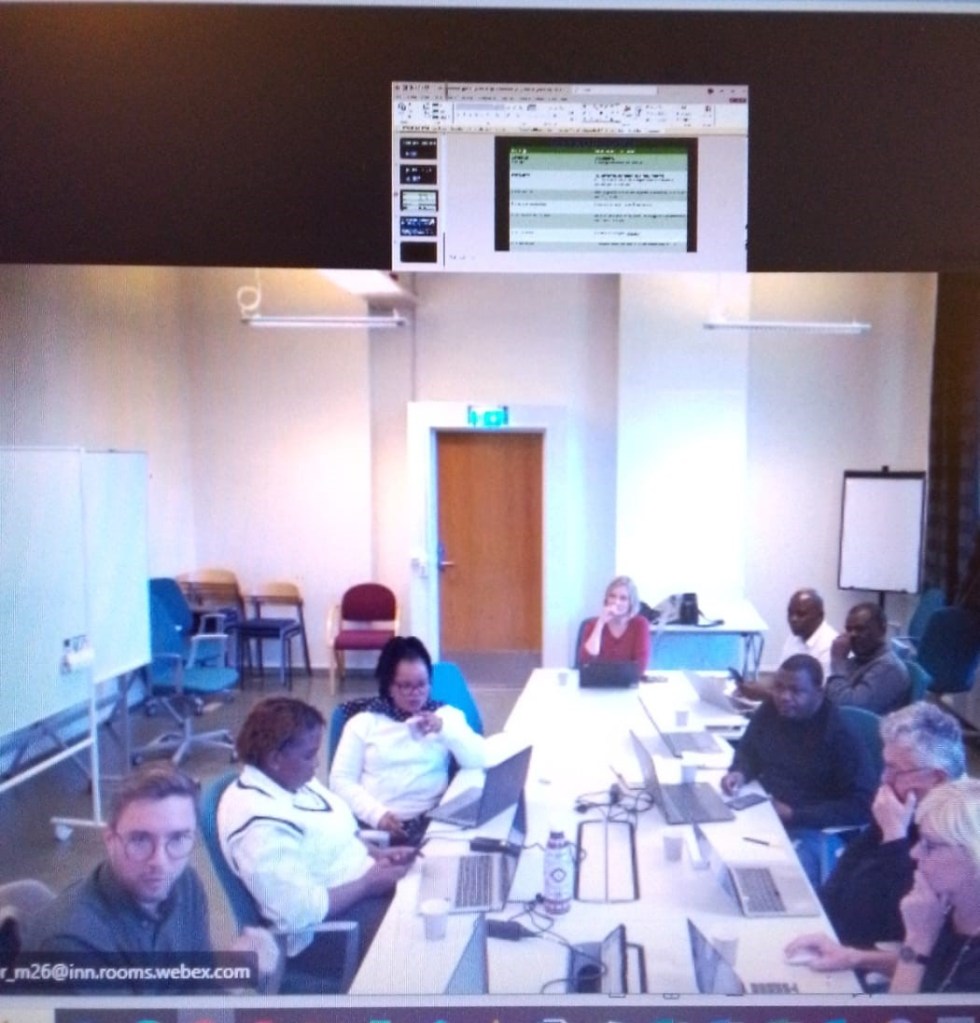
4. Learning from Digitalization, Inclusion, and Multicultural Pedagogy
The sessions on digitalization and inclusive practices illuminated how educational systems can use technology and responsive pedagogies to accommodate learner diversity. Exposure to multicultural pedagogy—particularly its implementation in kindergarten, school, and teacher education contexts—enabled me to reflect critically on Zambia’s own systemic challenges.
These insights have been invaluable for rethinking the comparative angles of my study, especially in understanding how contextual differences shape classroom experiences, teacher practices, and policy enactment.
- Transformative Insights from the Oslo Inclusion Tour
The Oslo tour provided a powerful extension of our classroom learning. Observing how Norwegian institutions support learners with hearing impairments revealed the depth of commitment to inclusivity, innovation, and child-centered practice. The emphasis on Norwegian Sign Language, personalized instruction, and coordinated support structures highlighted what it means to operationalize inclusion meaningfully.
This experience shifted my mindset significantly. It made me reconsider long-held assumptions about special needs education and deepened my appreciation of the complexity involved in meeting parental and community expectations. The discussions reinforced theoretical insights on didactics and helped me envision how Zambian education could integrate similar approaches through curriculum reform, teacher preparation, and improved CPD models.
6. Overall Value of the Programme
Ultimately, the programme affirmed the value of international academic exchange as a catalyst for intellectual transformation. It strengthened my capacity to contribute meaningfully to educational research and practice in Zambia and reinforced my commitment to producing high-quality scholarship with global relevance and local impact.
 Language, Literacy and Learning in Multilingual Classrooms