

It has been six weeks since we arrived in Norway at the University of Inland Norway, Hamar Campus, for the blended mobility ERASMUS+ DIALOGUES Project, implemented by the European Union in partnership with the University of Iceland, Chalimbana University, University of Zambia, Inland University, and OsloMet. Participating in the DIALOGUES Project has been an eye-opening and transformative experience, deepening my understanding of inclusive education and its practical application in teaching and research.
Initially, I was concerned about accessibility, as this was my first time studying in person at a university abroad. However, the programme has been flexible, clear, and fully inclusive, addressing all my needs and creating a supportive learning environment.
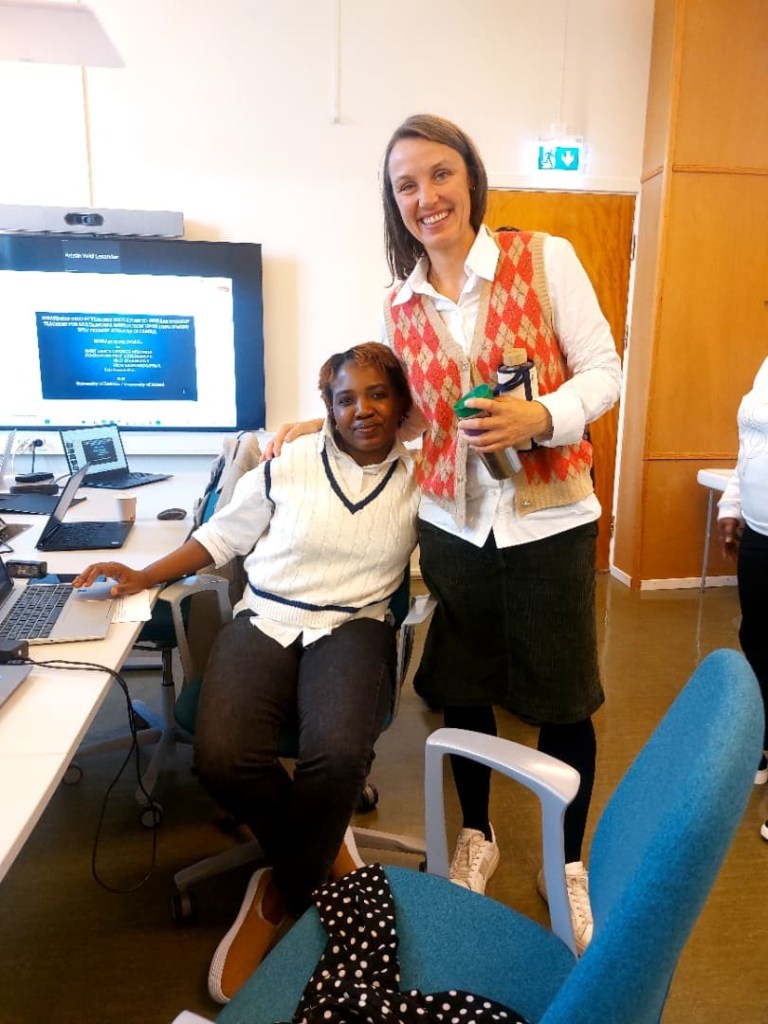
The several courses covered have been intellectually stimulating and personally reflective, providing tools and insights directly relevant to my doctoral research on advancing digital tools in Sign Language education for teachers of Deaf and Hard-of-Hearing learners in Zambia, as well as my broader work within the disability movement.

Qualitative Research Methodologies strengthened my ability to document and analyse lived experiences using participatory approaches, inspiring me to adopt co-creation and narrative-based methods that centre real experiences in my future work. Ethnography offered powerful insights into culture and identity, helping me to better appreciate the linguistic and social diversity that shapes human experiences. It reinforced the importance of understanding your target population within their cultural and linguistic contexts. I plan to integrate these insights into my teacher training and mentorship, guiding educators to adopt culturally responsive and inclusive approaches
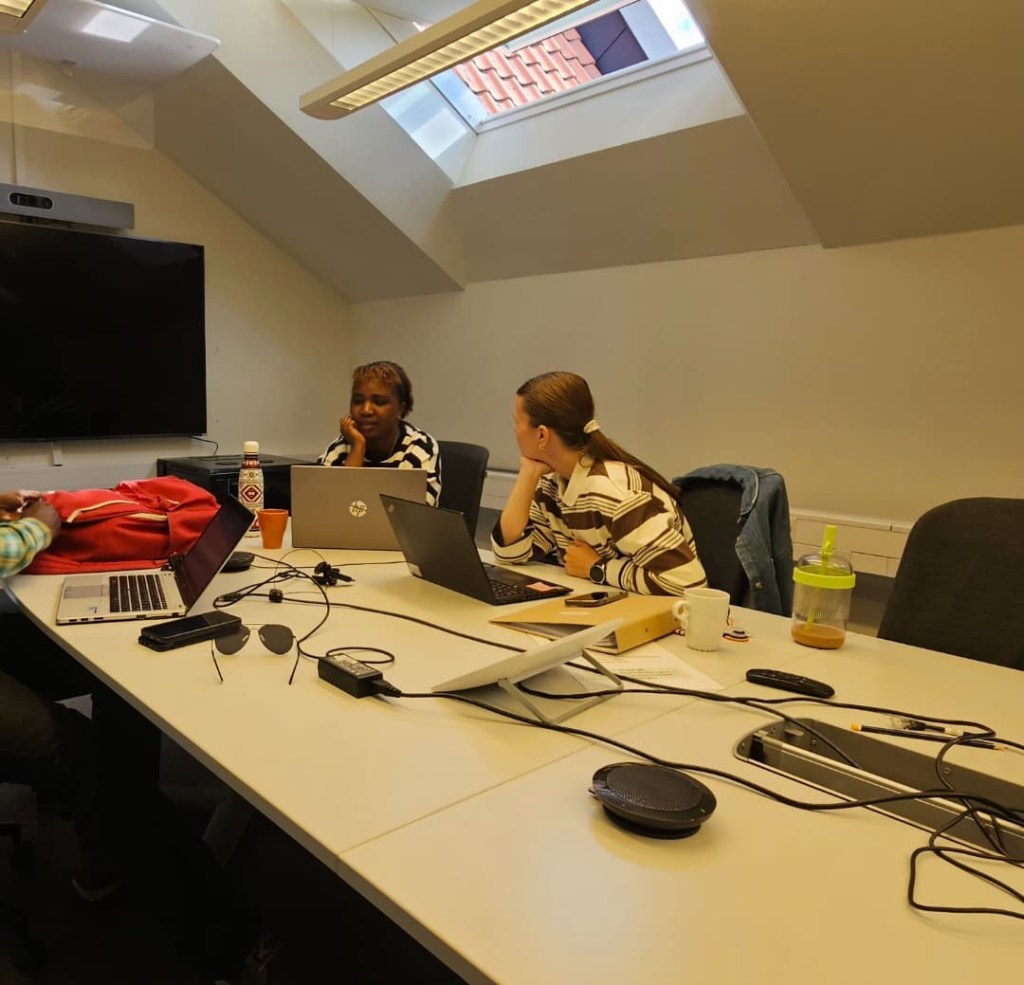
Digitization and Practices of Inclusion revealed the transformative potential of technology in promoting accessibility. This course motivated me to advocate for digital inclusion strategies, ensuring that technology bridges learning gaps instead of creating barriers.
I am deeply grateful to the project staff and lecturers for their inclusive teaching methods. The consistent use of live captioning and online text interpreters created a truly welcoming, barrier-free learning environment. The University, despite hosting an international Deaf student for the first time, met my access needs fully, ensuring all arrangements were tailored to my preferences.
The rich content and reflective discussions allowed me to connect theory to practice, enriching my professional approach as both an educator and disability inclusion advocate. This experience reaffirmed that inclusive education is not just a policy aspiration but a lived commitment requiring continuous adaptation.

I extend my sincere gratitude to the DIALOGUES team for foregrounding Sign Language and Deaf Education, areas too often overlooked. The project has sparked meaningful conversations, opened pathways for collaboration, and inspired a future where sign languages and inclusive practices hold a central place in education and research.
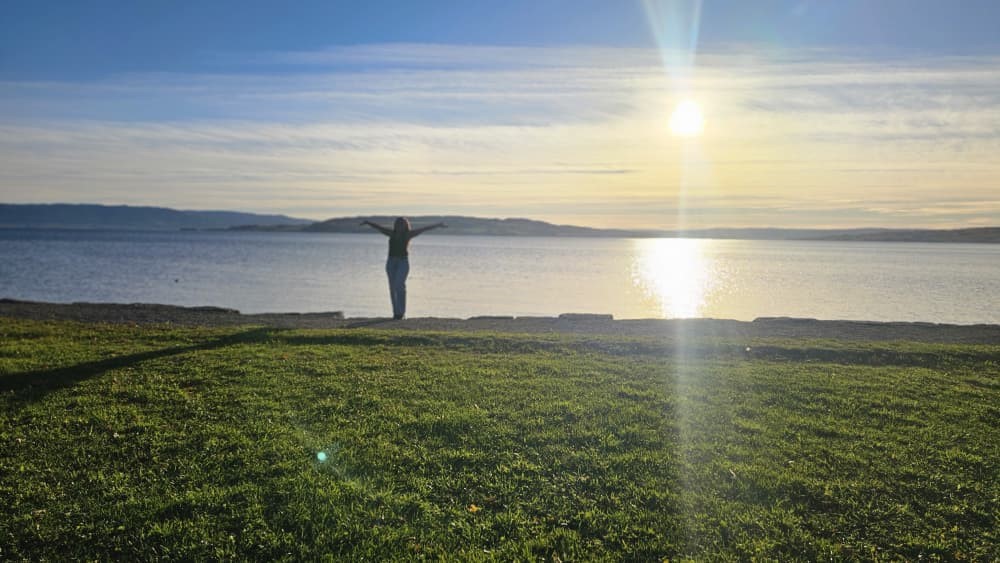
Beyond the rich academic landscape, Hamar has been a refreshing experience, a haven of natural beauty and tranquility. The surrounding forests and Lake Mjosa offer serene landscapes and provide a peaceful, enriching environment for reflection and rejuvenation that seamlessly blends academic growth with the serenity of nature. Tusen takk!!
 Language, Literacy and Learning in Multilingual Classrooms